Safe opening
Runcorn Safe Opening
First decide how soon you need inside. If passports, medication, keys or takings are locked in, call now; if not, book a time that suits you. Either way, Runcorn Locksmith opens locked safes across Runcorn without damaging them wherever the safe allows.
Call Runcorn Locksmith on 01928 611001
Call with your postcode for a current arrival estimate.
- 24-hour emergency cover
- No call-out charge
- Price agreed before work starts
Locked Out of Your Safe?
Runcorn Locksmith opens safes when the combination is forgotten, the key has gone missing, the battery has died or the mechanism has failed, using non-destructive methods wherever the unit allows. The good news first: a locked safe can usually be opened without being written off.
Before any work starts, we tell you the method we intend to use and the price. There is no call-out charge, and calls are answered at any hour. [CLIENT TO CONFIRM item 23: which safe types and grades can be opened] If you are thinking about a new or replacement safe, see safe installation.
Why Is Your Safe Not Opening?
A safe can stay shut because of a key, code, power or mechanical problem. Knowing which matters, because it changes both how the safe is opened and what the job costs.
You have forgotten the combination
This is the usual story with older mechanical safes, especially ones that came with a house or business or have sat unopened for years. Resist the urge to keep guessing codes or forcing the handle. Depending on the lock inside, a dial safe with no known code can often be opened by manipulation, without drilling.
You have lost the safe key
Key-operated safes and cash boxes stop being useful the moment the key goes missing or will not turn. Do not force the key or push anything else into the keyway, as it can damage the lock or leave debris stuck inside. The answer is to open the safe, then replace or re-key the lock so you have a working set again;.
The battery is dead or the keypad is blank
This is very common on digital and electronic safes, and is often the simplest fix of all. A blank keypad can point to the power supply, the keypad itself or the electronic lock. Some models have an external battery point or an override, so give us the make and model on the phone, as it can change the job entirely.
The code is accepted but the door will not open
If the keypad takes the code but the door stays shut, the lock is working and the bolts are not retracting. That usually means a fault in the handle, bolts or internal mechanism rather than a code problem. Entering the code again and again will not help, and some safes lock out after failed attempts. If the handle does not move normally, stop.
The handle is stiff or the bolts have seized
Old floor and wall safes that have not been opened in years, and units affected by damp, often show this. A stiff handle or bolts that will not draw back usually signal a mechanical fault rather than a lock problem. Putting more force on it can shear the handle and make the safe harder to open.
You have inherited a safe and know nothing about it
You have bought a property with a safe in it, cleared an estate or taken over premises where nobody knows the code. This happens often and is entirely legitimate. The proof of ownership section below explains what we will need from you.
How a Safe Is Opened Without Damaging It
There is no single method: the right one depends on the safe, the lock inside it and its age. We choose after identifying the unit, not before. [CLIENT TO CONFIRM item 23: which of the methods below are used; any method not offered will be described as an option that exists, with what we do instead]
Manipulation
Manipulation means working a combination lock by feel and close observation until the code is found. There is no drilling and no damage of any kind, the safe stays fully working, and you keep using it with the recovered code. It is the slowest of the methods, and whether it is possible depends entirely on the lock fitted inside.
Decoding and bypass
Many electronic and keypad safes have legitimate engineer routes for opening the unit without damage, using specialist equipment. Where a safe supports it, this is quicker than manipulation. For obvious reasons, we do not publish which safes respond to which method; we will tell you what applies to yours once we have identified it.
Scoping and drilling, as a last resort
When no non-destructive route is realistic, a small hole is drilled in a precise spot so the internals can be viewed and the lock released. This is precision work, not cutting the safe open. The drill point can normally be repaired and the lock replaced, so the safe stays usable and secure. We explain before any drilling begins, and new safes are covered on our safe installation page.
Please Do Not Let Someone Have a Go First
Opening safes is outside what most general locksmiths do well, and a failed attempt makes everything harder. Drilling in the wrong place can destroy the locking mechanism, so a safe that could have been manipulated open then has to be cut open completely, which costs far more and usually writes the unit off. Repeated wrong codes on an electronic safe can set off a lockout or a penalty delay. Levering the handle can shear it and jam the bolts.
So the request is simple, and not a criticism of anyone: if the person in front of the safe is unsure, it is worth waiting for someone who is not. Before you authorise any work, check that whoever attends has identified the safe, explained how they intend to open it and confirmed the price. Our guide on how to choose a trustworthy locksmith has more on what to ask.
Proof of Ownership: What We Will Ask For
We open safes for the people entitled to open them, and checking that protects you as much as it protects us. Before a safe is opened, expect to show that you own it or have permission or authority to get into it. What counts as evidence can depend on whether the safe is in a home, a rented property, business premises or an estate. Typically that means:
- photo identification;
- proof that you own or live in the property;
- purchase or registration documents for the safe, where you have them;
- written authority from a business, landlord, property owner or, for an estate, the person dealing with it.
If you have bought a house or cleared an estate and have no paperwork for the safe itself, that is normal, and we will talk it through with you. Visits are handled discreetly. [CLIENT TO CONFIRM: what is actually accepted as proof of ownership, and whether unmarked attendance is offered]
What Happens to the Safe Afterwards
Most people never ask out loud whether their safe will still be usable. In most cases it will. If it was opened without damage, nothing changes: you carry on with the recovered code or a new one. If drilling was needed, the drill point is repaired and the lock replaced, so the safe still works and still protects. Where a unit is very old, badly corroded or its parts are no longer made, replacing it may be the sensible answer, and we will tell you so rather than sell a repair that will not last. Combinations can be reset and locks upgraded on the same visit. [CLIENT TO CONFIRM: whether lock replacement, combination reset and drill-point repair are offered]
Until then, stop if the safe is not responding normally or starts behaving differently. More guessing, forcing or home-made opening attempts can add damage and make the original fault harder to put right. Get in touch on 01928 611001 instead.
Locksmith pricing
What Does Safe Opening Cost?
What it costs to open a safe depends on the unit, its locking system, the fault and the work involved. No safe opening price is published yet [CLIENT TO CONFIRM: whether a VAT-inclusive starting price for safe opening can be published]. The main factors are:
- the manufacturer, model, size, construction and security level of the safe;
- the kind of key, combination or electronic lock fitted;
- the visible fault, and whether anyone has already tried to open it;
- the opening approach needed, including whether non-destructive opening is realistic and whether the lock needs replacing afterwards;
- the time of day.
The most useful thing you can do is send a photo of the safe and of the lock or keypad. The model decides the method and the method decides the price, so a clear picture usually turns a rough estimate into an accurate quote [CLIENT TO CONFIRM: whether photos can be received, and on which channel]. You are given a price on the call, and if anything on site changes it, you hear before any work begins. There is no call-out charge. You pay for the work carried out, any parts needed, and VAT. Rates outside Monday to Friday, 7am to 6pm, are higher, but the call-out itself is never charged. For how our pricing works more widely, see the full guide to locksmith prices in Runcorn.
Call Runcorn Locksmith on 01928 611001
What affects the cost?
Service required, time of attendance, lock and door type, labour and parts.
What Happens When You Call
- Tell us the make and model if you can see it, what the safe does when you try it and how it normally opens, and mention any earlier attempts to force or drill it.
- Send a photo of the safe and its lock if you can, and we give you a price, along with what you will need to show as proof of ownership.
- A technician [PROVIDER PACK: DBS-check evidence for technicians] checks your evidence of ownership, inspects and identifies the safe, and explains the method and price before starting.
- Once the agreed work is done and the safe is open, we tell you its condition and whether it needs a new lock, further specialist assessment or replacing to be usable again.
Safe Opening Across Runcorn
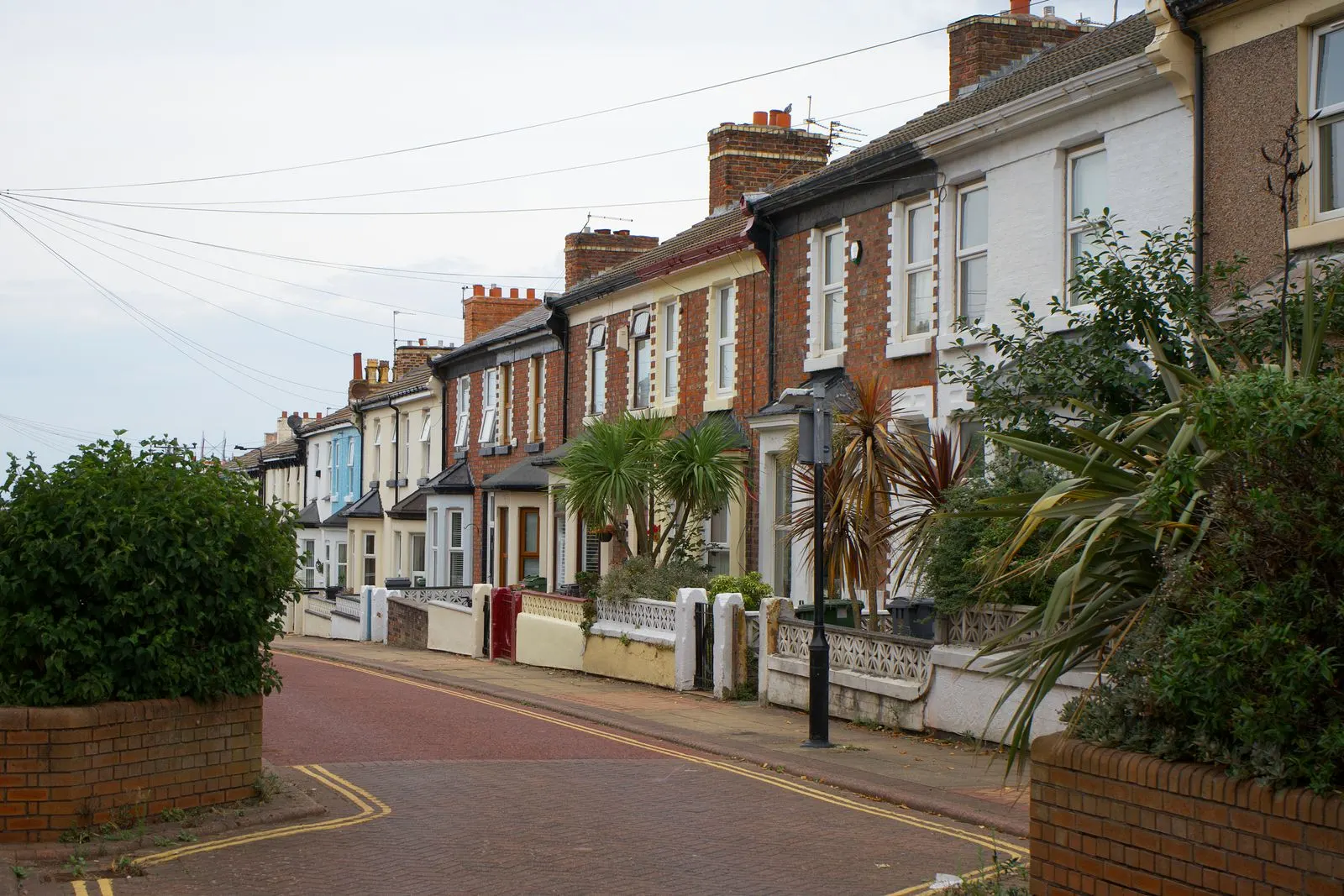
We open safes for homeowners, executors, landlords and businesses across Runcorn. Safes turn up in family homes, small offices, shops, licensed premises and inherited properties alike, and every visit is handled quietly, with no fuss on the doorstep. We cover the WA7 postcode district and the small part of WA4 within the Runcorn built-up area (ONSPD, February 2026), including:
- Higher Runcorn
- Castlefields
- Weston
- Palacefields
- Murdishaw
- Sandymoor
[CLIENT TO CONFIRM: genuine coverage areas, and which of these will have area pages]
Emergency and planned locksmith services
Call Runcorn Locksmith
There is no call-out charge and the price is agreed before anyone attends, and a photo of the safe and its lock or keypad makes that price more accurate. Look for a maker's name, model number or label on the outside, but do not move a heavy, floor-mounted or wall-mounted safe to find one; then tell us exactly what happens when you try it, whether that is a blank keypad, a key that will not turn, a stiff handle or a door that stays shut after the code is accepted.
[CLIENT TO CONFIRM: WhatsApp availability] · Contact us
01928 611001
Frequently Asked Questions
The keypad on my safe is blank. Is the battery dead?
Quite possibly, and that is often the simplest job there is, though a blank keypad can also mean a fault in the keypad or the electronic lock. Many digital safes have an external battery point or an override route, and some can be brought back to life without opening the safe at all. Tell us the make and model so we can check before we come out.
Should I keep trying the code?
No. On many electronic safes, repeated failed attempts trigger a lockout or a penalty delay that makes things slower to sort out. On mechanical safes, forcing the handle can shear it or jam the bolts. If the code has not worked after a couple of careful tries, stop and call.
Can you open a safe without damaging it?
It may be possible, depending on the safe, its lock, the fault, its condition and whether anyone has already had a go. Where the unit allows, non-destructive methods open it with no damage at all, and you carry on using it. Damage-free opening cannot be guaranteed for every safe, though, and we can only explain the right method and likely outcome after identifying and assessing it.
I have forgotten the combination. Is that recoverable?
Usually. A forgotten code on a mechanical dial safe is one of the most common safe jobs, and depending on the lock inside it can often be opened by manipulation with no drilling. Once it is open, the combination can be reset to one you will remember [CLIENT TO CONFIRM: combination reset offered].
I have bought a house with a safe in it and nobody knows the code. Can you help?
Yes, and it happens more than people expect. Safes are left behind in house sales, in cleared estates and when businesses change hands. You will need to show that you own or occupy the property, and if there is no paperwork for the safe itself, we will talk through what else can be used.
What proof of ownership do you need?
You may be asked for photo identification and evidence that you own the safe or have permission to get into it. Proof of ownership or occupation of the property, purchase or registration papers for the safe, and written authority for a business, rented property or estate are the usual examples. We explain what is needed when the visit is arranged. [CLIENT TO CONFIRM: accepted proof of ownership]
Will I be able to use the safe afterwards?
In most cases, yes. If it was opened without damage, nothing changes. If it had to be drilled, the drill point is repaired and the lock replaced, so it still works and still protects. Where a safe is very old, corroded or its parts are no longer available, we will tell you plainly if replacing it makes more sense.
How much does it cost to open a safe in Runcorn?
It depends on the make, model and grade of the safe, the lock inside it, whether it can be opened without damage and whether the lock needs replacing afterwards. A photo of the safe and its keypad or lock usually makes the quote far more accurate. Give us the maker and model if known, the visible lock type and a clear description of what happens when you try it, including whether the keypad responds, the key turns and the handle moves. There is no call-out charge, and you hear the price before anything starts.
Still have a question or need urgent assistance? Call 01928 611001, tell us what has happened and receive a current arrival estimate.